Making Sense of Modern Dental Choices: A Practical Owner’s Guide to Planning Care That Lasts
Start by mapping your oral health goals to a realistic timeline, because dentistry today spans quick preventive visits through multi-appointment restorative plans. Assess what you need now versus what can be phased later, and verify how each step supports comfort, function, and appearance. Meanwhile, request a baseline exam that includes imaging and periodontal screening so you can align expectations, identify priorities, and budget without rushing decisions you might second-guess.
Next, scope treatment categories by outcome rather than buzzwords. Preventative Dentistry focuses on disease control and risk reduction; Restorative Dentistry rebuilds structure; Cosmetic Dentistry refines appearance while respecting health. In practice, the smartest plans often blend categories. For instance, stabilizing gums before esthetic upgrades protects your investment. Beyond that, ask your dentist to document a problem list and sequence items from urgent to elective, so you keep momentum without surprises.
Often, bite analysis determines how long results hold up. Calibrate expectations around your occlusion, any grinding, and joint comfort. If your bite is unstable, veneers or other enhancements may wear prematurely. Then, consider protective measures such as night guards or minor adjustments to distribute force evenly. Validate that the proposed plan includes maintenance checkpoints, because durable results require periodic inspection and refinements based on how your mouth adapts.
However, materials matter as much as techniques. Discuss ceramics, composites, and bonding protocols, and ask why one option suits a tooth’s location, load, and esthetic demands. Dental Crowns can restore strength when a tooth is cracked or heavily filled, while minimally invasive approaches might suffice for smaller defects. Finally, clarify how shade matching, translucency, and surface texture will be handled, since lifelike outcomes depend on more than color alone.
Meanwhile, orthodontic planning affects more than straightness. Orthodontics can improve hygiene access, gum harmony, and bite efficiency, which supports long-term stability. If you prefer a discreet path, Invisalign may be discussed for certain cases; verify candidacy, wear-time expectations, and attachment use. Inspect how tooth movement interfaces with future restorations, because aligning first can reduce drilling later and sometimes opens conservative pathways you wouldn’t otherwise have.
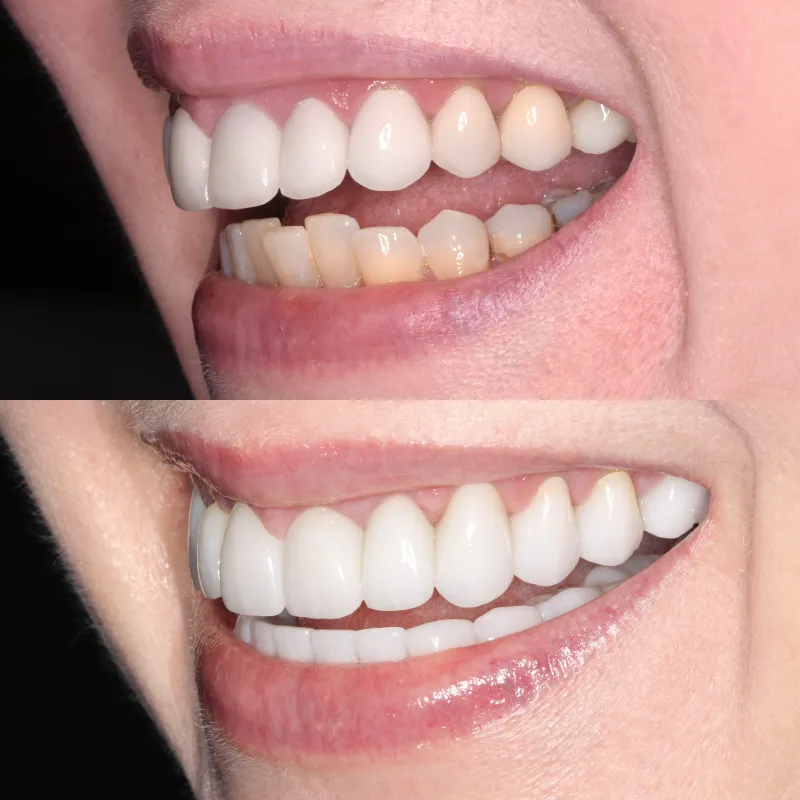
Beyond that, esthetic frameworks should prioritize face-guided references. Smile Design considers lip posture, midline, incisal display, and gum contours, not just tooth color. Ask for wax-ups, digital previews, or provisional trials to test shapes and speech before finalizing. Sequence whitening, tissue shaping, and restorations thoughtfully, since rushing order can complicate shade decisions. Document preferences with photos so the team can reproduce what you approve without guesswork.
Then, address soft-tissue and facial balance as part of an integrated plan. Some patients explore Botox for clenching comfort or facial symmetry discussions; validate medical history, dosage strategy, and follow-up intervals. Maintain the principle that oral health comes first, and ancillary services should complement—not replace—functional stability. Refine decisions using conservative trials when possible, measuring comfort, chewing efficiency, and any changes to speech or expression.
In practice, maintenance is the backbone of value. Schedule hygiene intervals appropriate to your risk level rather than a one-size model. Buffer against relapse with home care calibrated to your restorations and gum status, including tools suited to tight contacts or retainer use. Inspect retainers, guards, and bonding for wear, and request small adjustments before small issues escalate. Validate that recall visits include bite checks and habit reviews.
Finally, plan budgeting around phases and lifespan. Sequence high-need items first, and stage esthetics after stability improves. Ask for ranges that reflect material choices and chair time, but avoid chasing the lowest number at the expense of fit or follow-up. Align on warranties, remake policies, and appointment lengths so your calendar and wallet stay predictable. Maintain clear records, and keep a running punch-list to track completion and any deferred items.
Altogether, your best pathway balances health, function, and appearance without overextending. Verify that every proposed step has a clinical reason and a defined maintenance plan. Then, pace changes thoughtfully, testing comfort and aesthetics through provisionals before committing to finals. Inspect outcomes in natural light, request photos for your files, and continue measuring success by how comfortably you chew, speak, and smile every day.