Groundwork Decisions That Set Projects Up for Long-Term Success
Before dirt moves, scope the goals of your site with care. Define structural loads, drainage intent, access paths, and future phases so excavation aligns with the build’s lifecycle. Early clarity reduces rework and lets you price contingencies rationally. Map utilities and easements, verify property lines, and document constraints from neighboring grades. A clear baseline helps you select the right partners and sequence activities without costly pauses or surprises.
Next, assess soils with practical testing and visual checks. Grain size, moisture, and bearing characteristics influence cut-and-fill balance and compaction targets. In practice, even small changes in subgrade conditions can ripple through budgets and timelines. Discuss how unsuitable material will be handled, whether by removal, stabilization, or blending. A thoughtful plan for stockpiles, access routes, and traffic protection preserves soil structure and minimizes cleanup later.
Meanwhile, stage erosion and sediment controls so they’re active before excavation starts. Silt fencing, stabilized entrances, and temporary ditches keep sediment onsite and protect adjacent properties. Sequence these measures with clearing, grading, and utility trenching to limit disturbed areas at any given time. Then maintain them after rain events, documenting inspections and repairs. Responsible controls reduce risk, keep inspectors satisfied, and safeguard the schedule when weather turns.
Beyond that, validate the excavation workflow against downstream trades. Footing elevations, over-excavation depths, and trench widths should align with structural and mechanical requirements. An Excavating contractor can propose haul routes, benching approaches, and safe slopes that suit the soil class. Confirm spoil placement does not impede concrete trucks, drilling rigs, or delivery access. Small layout checks at this stage prevent conflicts that tend to multiply later.
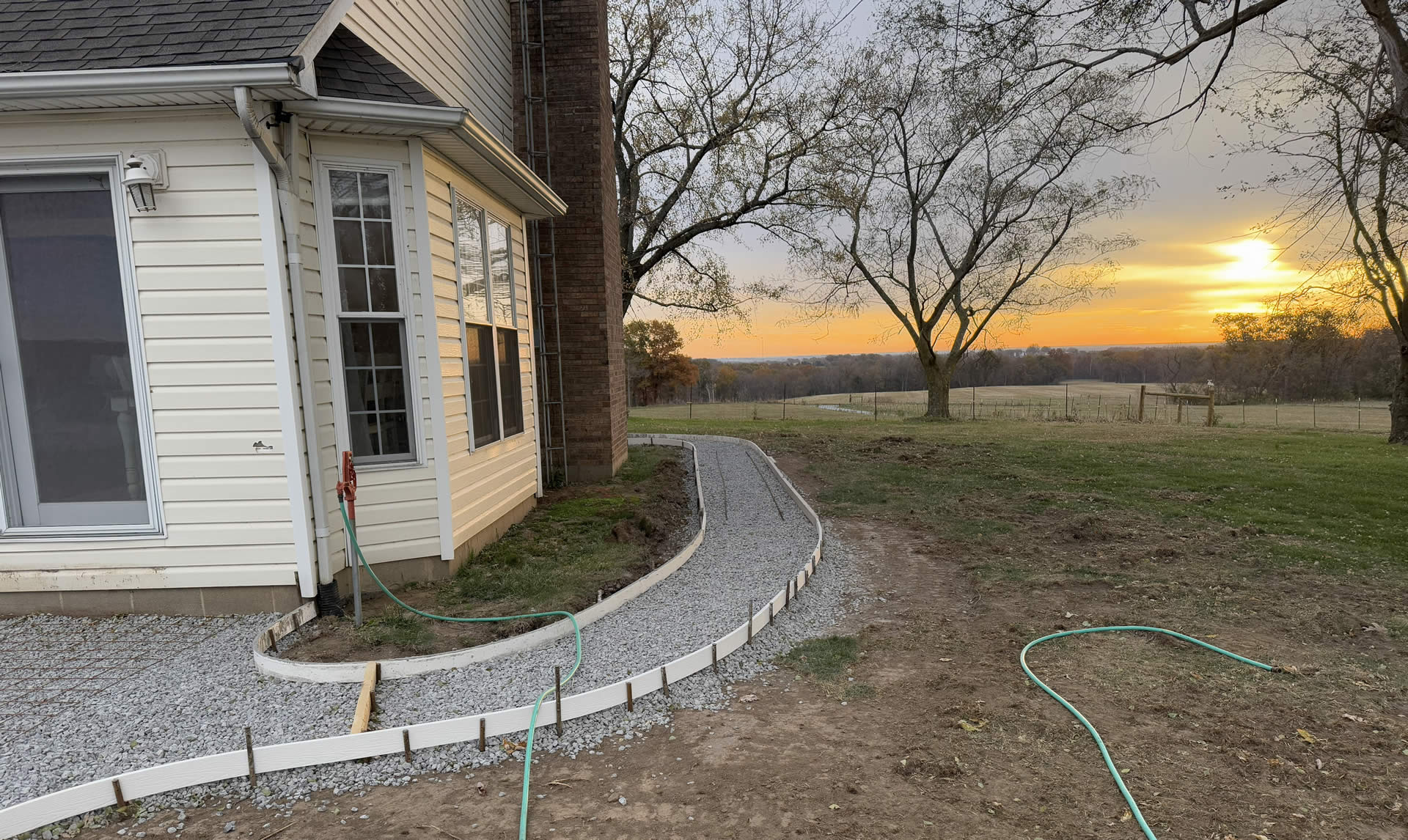
Often, grading decisions drive lifetime water performance. Calibrate slope percentages to move runoff away from foundations while protecting landscaped areas. Verify that swales, culverts, and outlets have capacity for typical storm intensities in your region. If driveways or sidewalks follow, a Concrete contractor will appreciate subgrades compacted to consistent density, with trench backfill settled or tested. Smart grading supports surface durability and reduces maintenance calls.
However, materials logistics deserve equal attention. An Aggregate supplier can help match base rock, pipe bedding, or backfill to the soil and load case. Specify gradations that compact predictably and drain as intended. Sequence deliveries to buffer weather delays, and keep staging areas firm and accessible. Clear tickets and load counts support payment accuracy and traceability. Reliable sourcing prevents mid-project substitutions that complicate approvals.
Then, integrate safety and compliance into daily routines. Inspect slopes, shoring, and trench boxes, and validate access ladders and spoil setbacks. Mark utilities visibly, and maintain clean ingress for emergency vehicles. Document toolbox talks and equipment checks so records are available if questions arise. A steady safety rhythm protects people, preserves insurance standing, and avoids the downtime that follows preventable incidents.
Finally, align compaction and proof-roll expectations with the design team. Establish test locations, lift thicknesses, and moisture ranges before placement begins. Field technicians can verify densities as lifts progress, not after. If pumping, rutting, or deflection appears, refine methods immediately rather than pushing ahead. Early verification keeps the subgrade uniform, which translates into better concrete flatwork and fewer callbacks on paving, pads, and approaches.
After rough grading, inspect elevations with as-builts before utilities and flatwork proceed. Confirm culvert inverts, curb transitions, and pad corners, and adjust while equipment is still mobilized. Tie drainage features into permanent outlets, and stabilize exposed soils promptly. This step closes the loop between plans and reality, reducing punch-list volume and avoiding the domino effects that emerge when minor variances go unchecked.
Ultimately, a disciplined sequence—from investigation and protection, to excavation, verification, and stabilization—keeps projects predictable. When you frame choices around soil behavior, water paths, and trade interfaces, you get resilient sites and smoother handoffs. Whether your work is residential or commercial, the same playbook applies: define, test, stage, execute, and validate. Thoughtful groundwork provides a stable platform for every other craft that follows.