Mapping Your Best Path Through Today’s Dealerships: A Practical Owner’s Guide
Assess how you plan to use your next vehicle before stepping into any showroom. Daily commuting, weekend towing, or long family trips lead to very different choices. Establish a realistic payment ceiling that includes insurance, taxes, and maintenance, not just the sticker. Clarify must-have features versus nice-to-haves, because that split drives tradeoffs. When your scope feels clear, test your assumptions with a few sample configurations online to see how options and trims shift cost.
Meanwhile, study the regional car dealership landscape to understand supply patterns and timing. Seasonal shifts, new model rollouts, and trade-in cycles can shape availability on lots. Inventory variety may affect how quickly you can compare trims side by side. If you’re flexible on color or accessories, you can widen your choices without compromising core needs. Keep an eye on demo units or courtesy vehicles if you value budget efficiency and verified maintenance history.
However, narrow your shortlist by segment before you visit. Compact crossovers, midsize sedans, and full-size trucks each carry distinct ownership implications. Fuel economy, parking ease, and garage clearance are daily realities to validate early. If towing or payload matters, inspect ratings across trims, not just the headline figures. Then map a route that lets you experience rival options back-to-back to detect differences in seat ergonomics, visibility, and ride quality.
Beyond that, bring a simple checklist to validate basics during test drives. Listen for wind noise at highway speeds and feel how the transmission shifts under moderate acceleration. Inspect panel gaps and paint consistency under natural light. Document notes right after each drive so impressions don’t blur. Ask to review service histories on pre-owned candidates and confirm any remaining warranties. This habit prevents relying on memory or sales-floor momentum.
In practice, financing choices are as pivotal as vehicle selection. Compare credit union pre-approvals with dealership options to see which structure fits your timeline. Understand rate versus term tradeoffs and how down payments influence total interest. If you’re considering a lease, verify mileage tiers and wear guidelines to avoid end-of-term surprises. Validate whether add-ons like protection plans align with your usage and parking environment.
Often, trade-ins reshape the budget more than buyers expect. Calibrate your expectations by checking multiple valuation sources and by preparing maintenance records and photos. Cleanliness and minor touch-ups can buffer against lowball offers. If equity is tight, analyze whether a private sale is worth the time versus the convenience of instant dealer credit. Keep documents like title, payoff details, and spare keys ready to streamline the process.
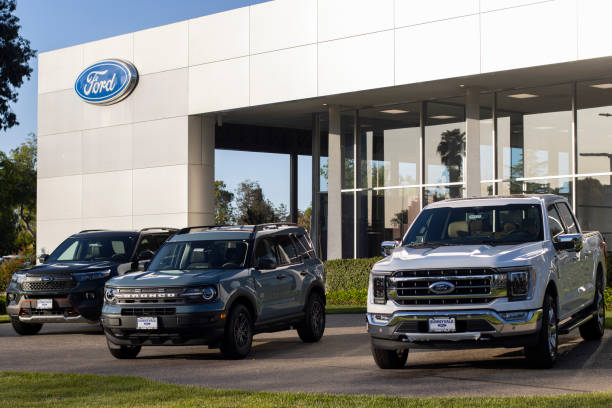
Then, think long-term upkeep from day one. A ford dealership can perform scheduled maintenance and software updates that sustain reliability and resale value. Verify service hours, transportation options during longer visits, and typical turnaround times. Ask how recalls are handled and whether there are quick-service lanes for routine items. Building a relationship with a service advisor can refine maintenance planning and help anticipate parts lead times.
Finally, weigh new versus pre-owned through total lifecycle cost, not just initial price. A used car dealership may offer certified options with inspections that reduce risk, while new vehicles deliver the latest safety tech and full warranty coverage. Validate insurance quotes for both scenarios. If you’re eyeing ford for sale listings online, confirm VIN details, accident history, and open recalls before committing time to a visit.
Additionally, inspect delivery readiness before signing. Verify that manuals, spare tire tools, and charging cables for hybrids are present. Ensure tire pressures, software versions, and fluid levels are correct. If accessories were added, check installation quality and part numbers on the we-owe form. Photograph the odometer and final build sheet to maintain a clean record. This step protects you if post-delivery adjustments are required.
Altogether, treat the purchase as a phased project: research, budgeting, comparison drives, financing, trade-in, and delivery audit. Each phase benefits from simple documentation and scheduled decision points. With a stable plan, the showroom becomes a place to validate choices rather than improvise them. By pacing decisions and verifying details, you align the vehicle, the payment, and the service plan into one durable ownership outcome.