Season-Smart Planning for Better Comfort and Control
First, assess your building’s thermal profile before talking equipment. Map sun exposure, shade patterns, insulation levels, and typical occupancy. Document drafty zones, rooms that overheat, and areas with persistent humidity. This baseline guides right-sizing choices for Heating and Air without leaning on rough guesses. A quick log of daily comfort issues over two weeks often reveals patterns that calculators miss.
Next, scope the load in phases rather than one lump sum. Break the building into zones based on usage and envelope differences. Validate assumptions with blower-door data if available, or at least smoke-pencil tests at key leakage points. Then translate those observations into zoning strategies that reduce short-cycling. With smart zoning, small tweaks can defer major gear changes and stretch budgets effectively.
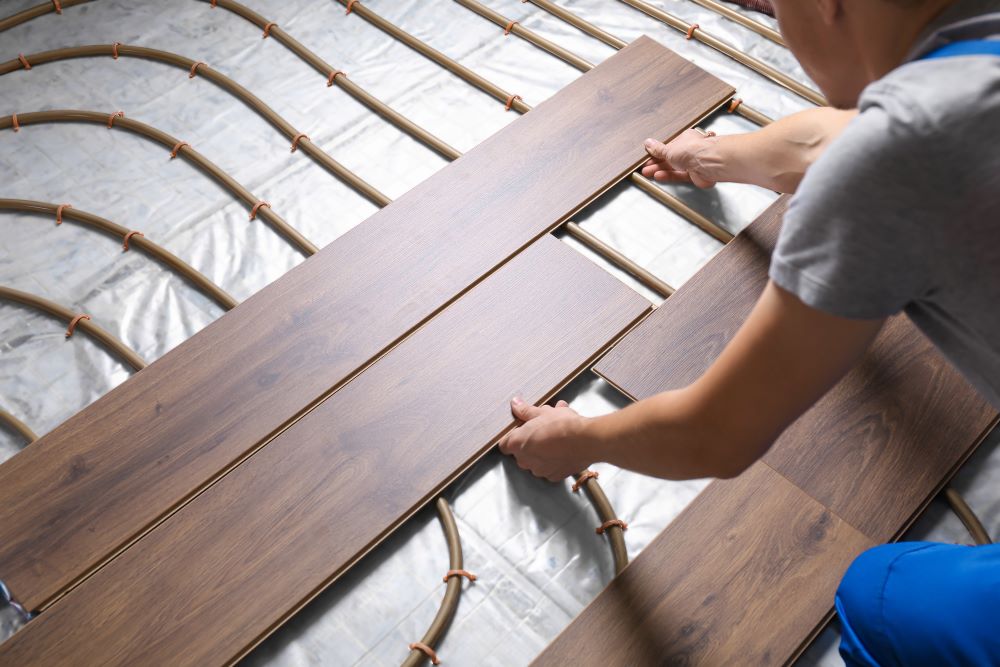
Meanwhile, align equipment options to lifecycle goals instead of chasing immediate output. If you expect frequent schedule changes or future expansions, modular systems provide useful buffer against surprises. Ductless Mini Split units excel for swing spaces, while Radiant Floor Heating rewards long dwell times. Indoor Air Quality upgrades like filtration and ventilation balancing often yield comfort gains before any tonnage increase is considered.
Beyond that, verify ductwork viability early, since air distribution can make or break efficiency. Inspect static pressure, seal visible seams, and confirm return paths are adequate. Undersized returns force fans to work harder, inviting noise and wear. If ducts are a lost cause, pivot toward Heat Pumps with targeted air handlers or mixed strategies. A hybrid approach reduces disruption while improving control in stubborn zones.
In practice, sequence the retrofit or build in logical steps to reduce rework. Start with envelope fixes, proceed to airflow corrections, and only then finalize equipment selections. Calibrate thermostats and sensors after commissioning, not before, to capture real operating conditions. This staging lets you refine setpoints and fan profiles to match lived experience rather than theoretical models.
Often, commercial schedules and residential routines demand different service windows and redundancy plans. For Commercial HVAC, plan maintenance windows during low-traffic hours and stage spares for critical spaces. Residential settings benefit from quieter profiles and simplified control schemes. Keep documentation simple and accessible so occupants can validate what normal looks like and flag anomalies promptly.
However, budgeting should reflect total cost of ownership, not only purchase tags. Include anticipated filter changes, coil cleaning, and periodic refrigerant checks. Water Heaters, ventilation fans, and air handlers share electrical and drainage pathways that may need upgrades. By bundling trades thoughtfully, you can reduce mobilizations and avoid opening the same walls twice, trimming indirect costs and timeline stress.
Then, plan for seasonal timing to match contractor availability and weather buffers. Spring and fall often allow safer system outages and easier test conditions. Stage temporary heating or cooling as needed to protect finishes and sensitive equipment. Validate warranties and service intervals in writing, and document commissioning readings so future technicians can compare and spot drift early.
Finally, adopt a maintenance rhythm that pairs quick monthly checks with deeper seasonal tasks. Replace filters on a cadence aligned to use and environment, not just the label. Inspect drains, verify condensate flow, and scan for unusual vibrations. Air Conditioning and Heating components last longer when airflow stays clean and sensors read true. A simple logbook helps track trends before they become calls.
Altogether, a deliberate plan integrates sizing, airflow, zoning, and lifecycle care into one roadmap. Choose equipment categories that suit your space rather than forcing a single solution everywhere. Keep stakeholders informed with concise notes and photos so decisions remain transparent. With clarity on scope and timing, you’ll navigate upgrades smoothly and preserve comfort through every season.