Planning HVAC Decisions with Confidence: A Homeowner’s Practical Guide
As a homeowner, mapping out your HVAC path starts with understanding your building’s envelope and usage habits. Assess insulation levels, window performance, and air leakage to gauge the actual heating and cooling load. In practice, a right-sized system improves comfort without short cycling. Meanwhile, confirm electrical capacity and duct accessibility early, since those constraints influence equipment choices and the feasibility of upgrades or alternatives.
Beyond that, define your priorities across comfort, air quality, and long-term operating costs. Scope rooms with temperature swings, drafty hallways, or areas that need zoning. Then match solution types to those needs, whether traditional split systems, heat pumps, or ductless heads for additions. Verify that filtration and ventilation goals are part of the conversation so humidity and particulates are addressed alongside temperature.
Next, evaluate the contractor landscape by examining licensing, insurance, and local familiarity. Seattle-area codes, climate, and terrain all affect installation strategies, so regional experience matters. Validate that proposed equipment combinations are compatible, and ask for load calculations rather than rules of thumb. Often, proposals should explain assumptions clearly, helping you compare options on more than just the headline model number.
From a budgeting standpoint, look beyond sticker price to lifecycle value. Document expected energy consumption, maintenance intervals, and parts availability. Then analyze warranty terms and what they cover during the first years of ownership. However, don’t conflate longer warranties with guaranteed lower costs; workmanship and setup quality can be just as decisive in real-world performance and reliability.
When planning work, sequence tasks to reduce disruption and rework. Stage electrical and duct repairs before equipment arrives to keep installers focused on precise placement and refrigerant handling. Inspect existing ductwork for leaks, undersized branches, or crushed runs that can strangle airflow. Meanwhile, discuss thermostat locations and controls integration early so wire routing and sensor placement are resolved before finish work.
On the service front, clarify who will handle routine checkups and emergency calls after the project wraps. HVAC Maintenance keeps systems clean, calibrated, and efficient through filter changes, coil cleaning, and airflow verification. Finally, a maintenance history helps technicians spot patterns, refine settings, and extend component life. Ask for a simple service calendar you can follow without guesswork.
When something goes wrong, prompt HVAC Repair can prevent cascading failures. Calibrate expectations around response windows and diagnostic steps so you know what to approve on the spot. AC Repair, Furnace Repair, and Mini-Split Repair can vary in complexity; validate that parts are accessible locally to shorten downtime. Then review the findings in plain terms and request photos where helpful for future reference.
For upgrades and retrofits, plan HVAC Installation with a focus on clearances, condensate routing, and ventilation codes. Align outdoor unit placement with noise and airflow needs while protecting service access. AC Installation may require pad adjustments or vibration isolation; document any structural changes. Meanwhile, check that refrigerant line lengths and bends remain within manufacturer tolerances, preventing performance losses that are hard to diagnose later.
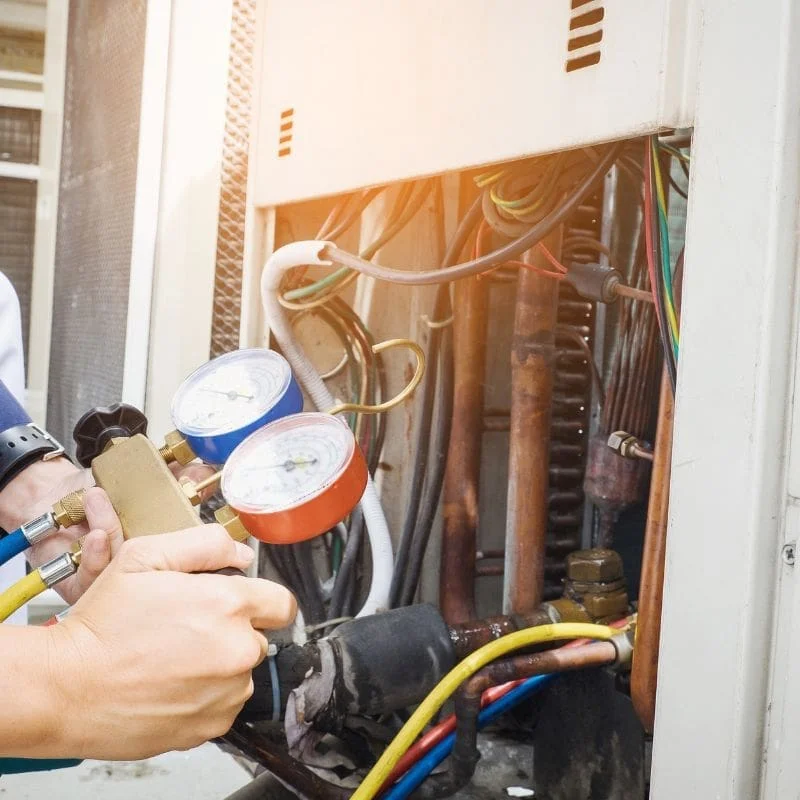
Quality assurance hinges on testing and paperwork. Verify that static pressure, supply and return temperatures, and refrigerant charge are measured and recorded at handoff. Then keep model numbers, manuals, and startup sheets in a dedicated folder for future visits. In practice, this documentation shortens diagnostics and supports warranty claims, while giving you a benchmark to compare seasonal performance trends.
Seasonally, refine settings as weather shifts. Adjust schedules and setpoints to reflect occupancy, and maintain filter replacements on time. Meanwhile, consider an air quality check before peak seasons to buffer against pollen or smoke events. If you’re weighing a refresh, request a right-sized system review rather than swapping like-for-like. With a thoughtful approach to selection, installation, and care, your home’s comfort and efficiency can stay resilient year-round.