Field-Proven Steps for Planning Tree Work Without Surprises
Beginning with a clear objective helps you scope tree work that aligns with property goals and safety priorities. Define whether you’re reducing risk, improving aesthetics, or supporting plant health. From there, document constraints such as nearby structures, utilities, and access points. This early clarity lets you phase tasks appropriately, price alternatives responsibly, and ensure each action supports the landscape’s long-term resilience rather than just a quick fix.
Next, assess each tree’s condition with a structured lens that includes species traits, growth habit, defects, and site pressures. Visible cues like deadwood, cracks, and canopy dieback are important, but soil compaction, drainage, and root flare depth matter just as much. An Arborist can validate findings with diagnostic tools and recommend whether Tree Pruning, Tree Trimming, or risk mitigation is the most appropriate path forward based on tolerance and targets.
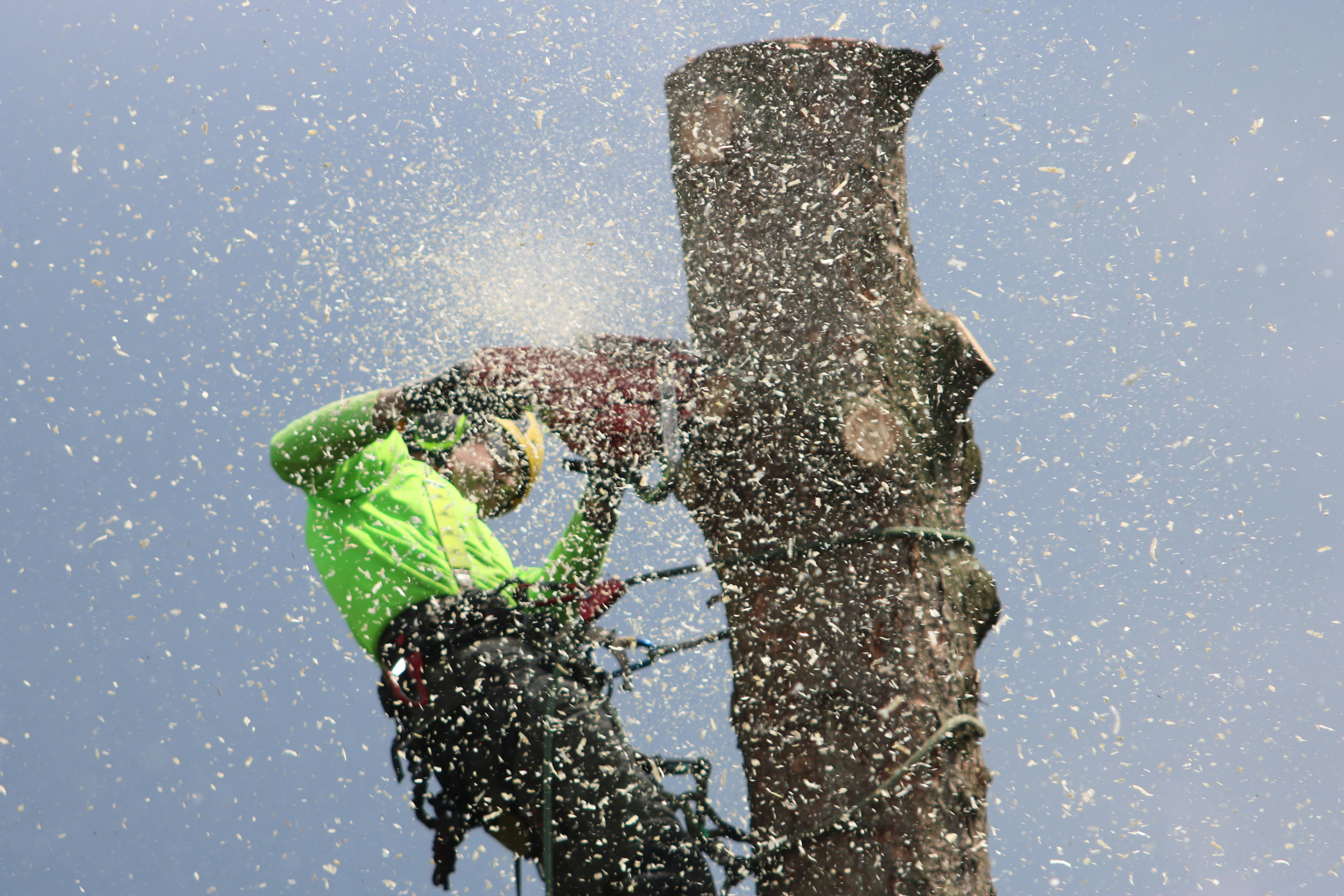
Meanwhile, map workflow to reduce rework and protect assets. Stage equipment where it minimizes turf impact and buffers pedestrian traffic. Sequence cuts to manage load paths safely, especially near roofs and fences. When Tree Removal is necessary, plan rigging and lowering zones that avoid utility lines and fragile garden beds. These choices shorten job duration, reduce disruption, and limit incidental damage that can inflate costs later.
However, budget planning should capture more than the visible work. Include disposal, green waste recycling options, stump handling, and post-job site repair. Some clients phase projects across seasons to spread expenses and match plant biology. For example, dormant-season work can reduce disease spread for certain species, while growing-season visibility helps verify live crown response. Aligning scope with seasonal windows refines outcomes and helps avoid unnecessary return visits.
Beyond that, compliance and access require early verification. Confirm property boundaries, right-of-way rules, and any required permissions for street closure or equipment parking. Inspect for underground irrigation and shallow utilities before setting outriggers. When trees overhang adjacent parcels, document the plan and notify neighbors. These small steps preserve goodwill, maintain legal footing, and keep the crew focused on safe execution rather than mid-job negotiations.
Often, clients overlook stump strategy until the end, when timelines are tight. Decide whether Stump grinding, full root extraction, or habitat snag retention best fits your site plan. Grinding offers speed and a clean surface for replanting, while selective retention can support wildlife in appropriate settings away from targets. Clarify chip hauling expectations and the soil backfill approach so restoration and future plantings proceed smoothly.
Then, calibrate quality standards up front to avoid mismatched expectations. Define pruning clearances from structures, target branch diameter cuts, and acceptable wound sizes relative to species and vigor. Validate that structural pruning focuses on branch unions and load distribution, not just canopy thinning. This level of specificity makes post-job inspections straightforward and promotes tree health by preserving live tissue and natural defense zones around pruning cuts.
In practice, communication cadence shapes project success. Establish who approves scope changes, how weather delays are handled, and what safety briefings occur onsite. Daily check-ins, even brief ones, help refine priorities as conditions evolve. Photos that document pre-existing conditions and final results provide shared reference points. Clear, mutual expectations reduce friction and allow the crew to maintain momentum without pausing for clarification.
Finally, plan follow-up actions that lock in value. Mulch rings, watering schedules for stressed trees, and soil amendments can stabilize recovery after major work. Schedule inspections after storms or a growing season to verify how the canopy responds. If replanting, stage species selection with site light, soil profile, and mature size in mind. This lifecycle mindset ensures today’s decisions support a healthy canopy and safer property for years.
Ultimately, vendor fit can make or break outcomes. Look for strong safety culture, transparent recommendations, and credentials that reflect commitment to best practices. Madison’s new local tree care experts offer comprehensive services and customer education, but your choice should hinge on process clarity, equipment readiness, and responsive communication. With a structured plan and the right partner, you’ll protect assets, reduce risk, and maintain a thriving urban landscape.