A Homeowner’s Field Guide to Smarter Heating and Cooling Choices
Planning an HVAC project starts with defining comfort goals, not just equipment specs. Assess how rooms are used, who occupies them, and when temperatures swing most. Document hot and cold spots, noise concerns, and any air quality triggers. This baseline helps right-size solutions and buffer against costly rework later. Meanwhile, set a simple timeline that phases evaluation, selection, and installation so daily life sees minimal disruption.
Beyond that, evaluate your home’s thermal shell before touching mechanicals. Inspect insulation, window seals, and attic ventilation, because sealing leaks often reduces tonnage needs. Verify duct integrity by checking for crushed runs and loose joints; leaky ducts undermine even the best Heating or cooling equipment. In practice, a quick pressure test and visual sweep can reveal low-hanging fixes that extend system life and refine overall efficiency plans.
However, equipment selection still matters greatly. Calibrate choices by matching capacity to load calculations, not rough guesses. Align features with lifestyle: variable-speed blowers smooth temperatures; smart thermostats help scheduling; zoned systems target problem areas. If rooms lack duct access, a Ductless Mini Split can phase comfort upgrades without major demolition. Then, compare warranties and serviceability so future maintenance remains straightforward and parts remain accessible.
Often, homeowners underestimate airflow. Validate return air sizing so the system breathes freely; undersized returns strain motors and add noise. Inspect filter racks for tight seals that prevent bypass dust. For Indoor Air Quality concerns, stage enhancements like media filters, UV options, or dedicated ventilation where appropriate. Finally, remember that airflow balance across rooms can be tuned with dampers after installation to fine-tune comfort.
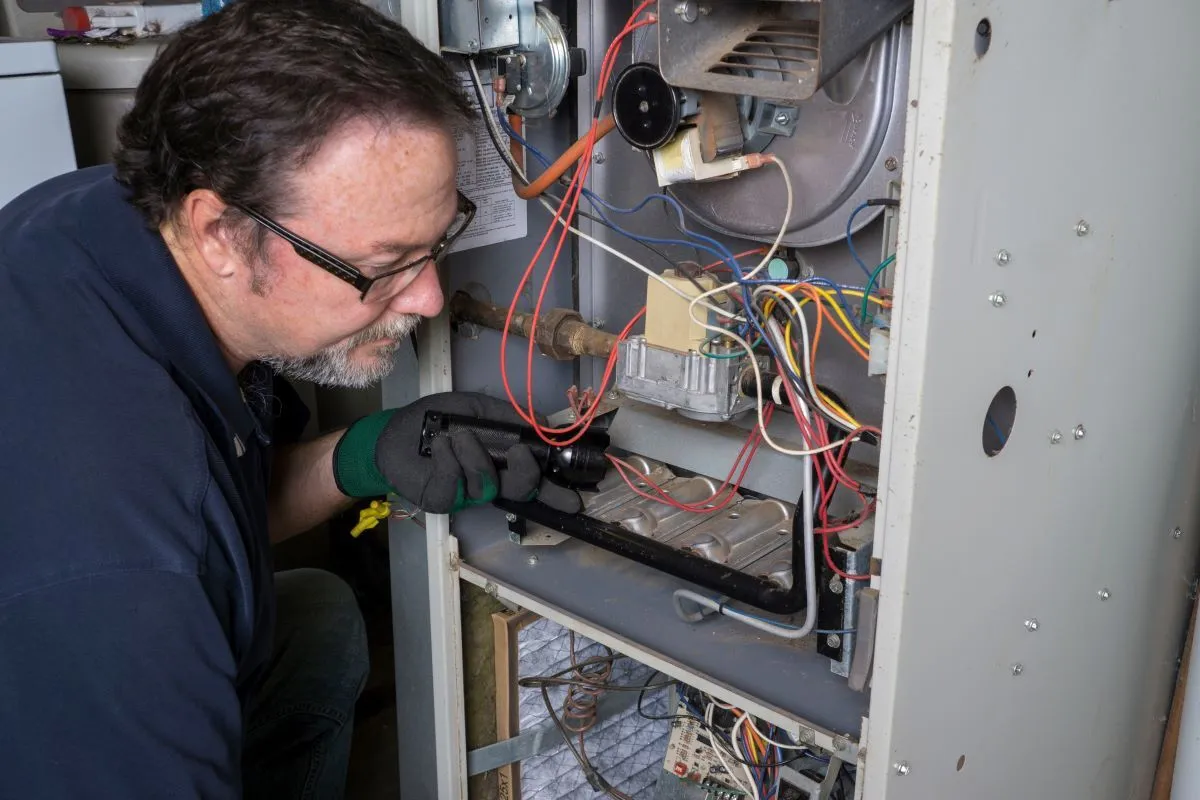
Meanwhile, plan for the full lifecycle beyond day one. Document model numbers, filter sizes, thermostat settings, and installer notes in a home binder. Sequence seasonal checks—spring for cooling, fall for Heating—to keep performance steady. HVAC Maintenance should include cleaning coils, verifying refrigerant levels, checking safety controls, and ensuring condensate drains freely. These basics protect efficiency curves and validate warranty requirements over time.
Then, consider repair-versus-replace triggers. If a unit faces recurring AC Repair or costly parts, tally age, efficiency, and comfort gaps. Heating Repair decisions can follow the same rubric. When replacement wins, Heating Installation or AC Installation should be scoped with clear start and end dates, access paths protected, and a punch-list for commissioning items such as temperature splits, static pressure, and thermostat calibration.
Beyond that, compare system types by local climate and utility rates. Heat Pumps provide efficient heating and cooling in many regions, especially paired with proper sizing and defrost strategies. Where extreme cold appears, a dual-fuel setup may buffer peak days. Validate electrical capacity and breaker spaces early, and if resiliency matters, discuss how Generators might support essential loads during outages without overcomplicating the panel.
Meanwhile, ductwork deserves its own plan. Duct Cleaning can restore airflow where dust and construction debris accumulate, but it should follow a careful inspection rather than be assumed necessary. If redesigning, refine trunk and branch sizes to meet target static pressure. Seal with mastic, not just tape, and insulate in unconditioned areas. Properly pitched condensate lines and accessible service clearances reduce future service friction.
Finally, budget with buffers. Scope base costs, then add allowances for surprises like hidden duct defects or electrical upgrades. Sequence payments to milestones: equipment arrival, rough-in completion, and final commissioning. Verify permits, inspections, and code updates so compliance isn’t an afterthought. A small contingency lets you maintain quality choices rather than cutting corners under pressure when timelines tighten unexpectedly.
Ultimately, success comes from steady decisions and clear documentation. Inspect assumptions, validate sizing, and maintain what you install. Engage pros who explain load calculations, offer commissioning data, and provide follow-up options. Whether you’re targeting a quieter bedroom, taming humidity, or future-proofing efficiency, a measured plan protects comfort, supports durability, and keeps energy spend aligned with what your home truly needs.